
User & Stakeholder Discovery
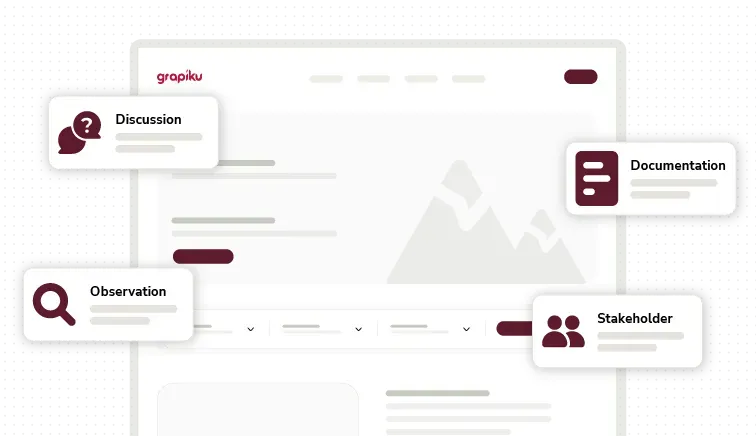
Uncovering user and stakeholder needs through discussions, process observation, and a review of the systems currently in use.
Grapiku helps companies turn business processes, user needs, and feature priorities into UI/UX designs and interactive prototypes that are ready to test before development begins.
210+ companies growing with Grapiku


An idea that looks promising doesn't necessarily solve a user's problem. Without research and needs mapping, a product risks being built on assumptions and failing to deliver the benefits people actually need.
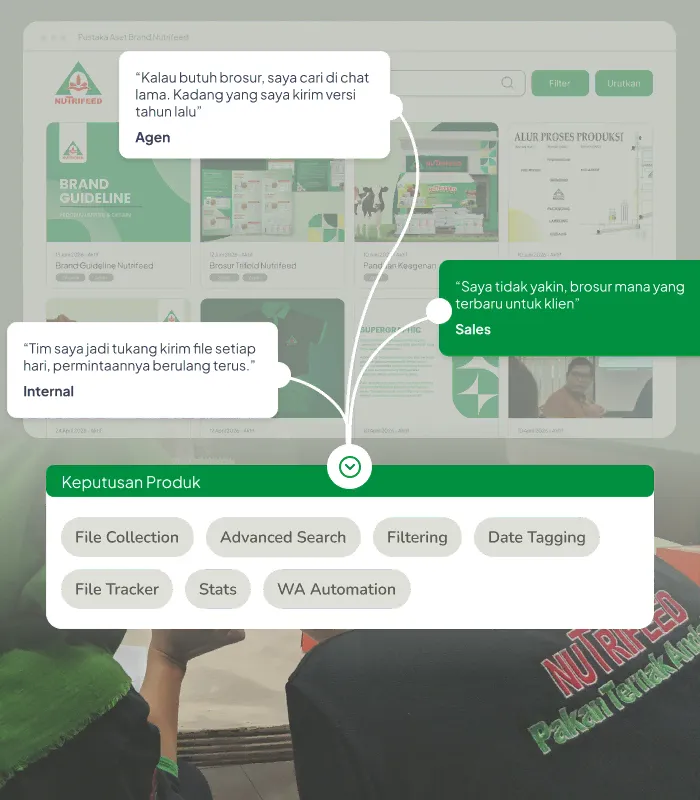
Mapping the needs of agents, sales, and internal teams in finding and reusing brand assets, as the basis for product design.
Learn MoreToo many features in the early stage widen the scope, raise costs, and blur the product's main goal. An MVP helps you decide which priority features are most important to test first.
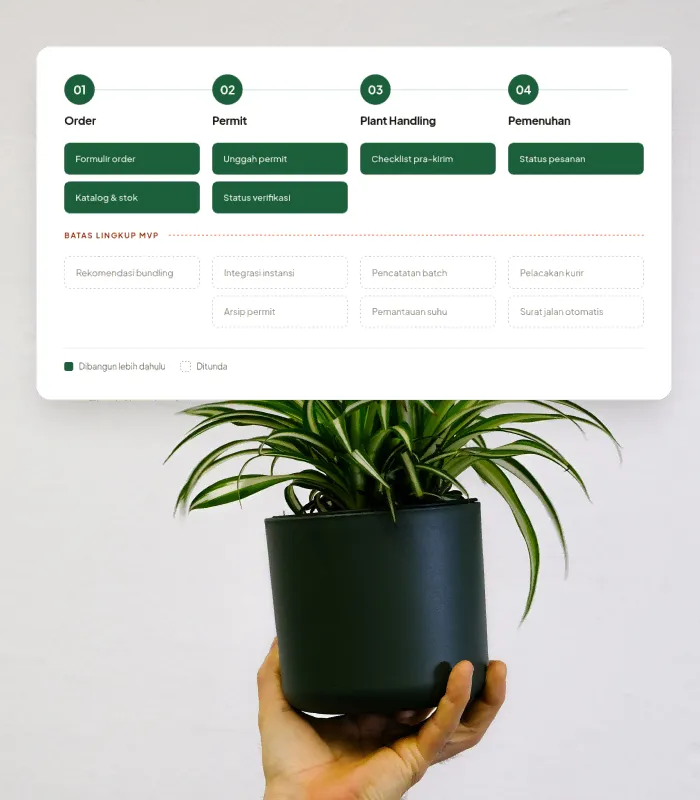
Mapping the order, permit, plant handling, and order fulfillment processes to determine the key flows and features to design first.
Learn MoreInformation spread across spreadsheets, documents, and communication channels is hard to update, trace, and share across teams.
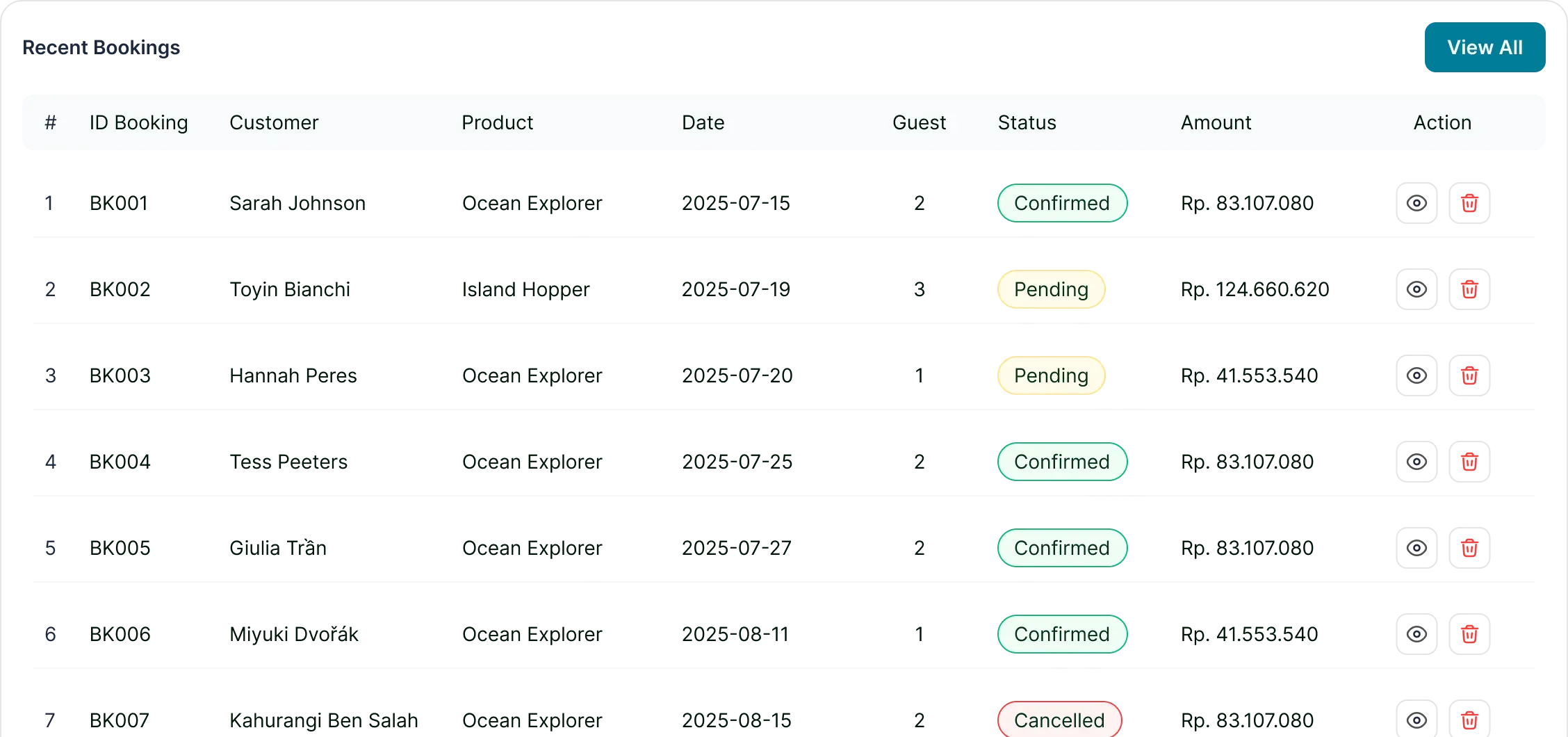
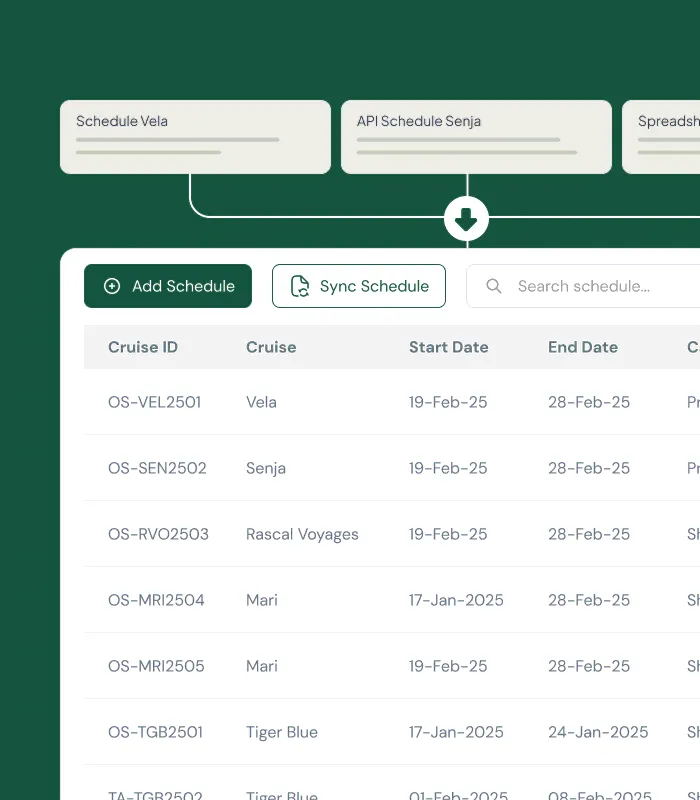
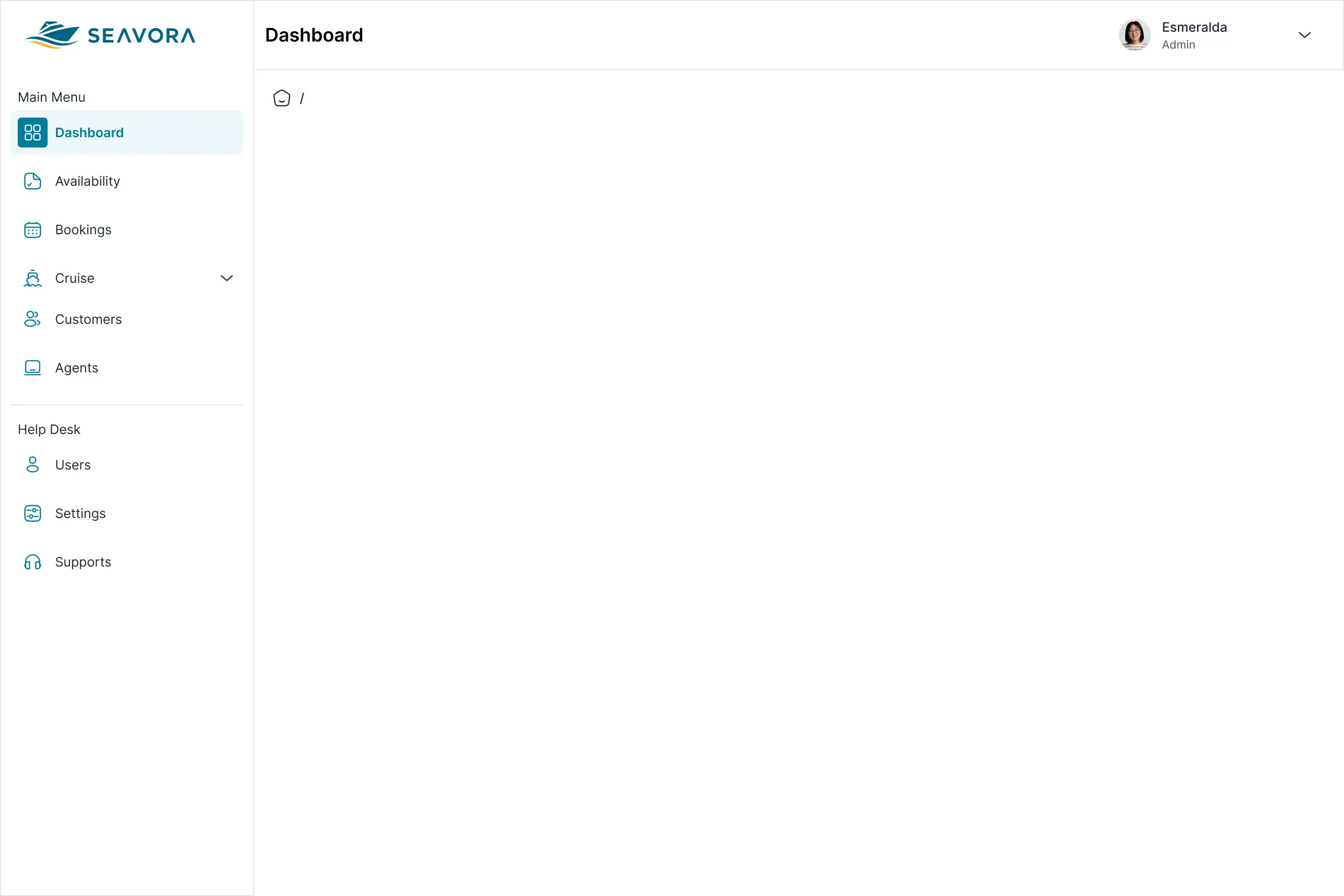
Bringing vessel schedules from many spreadsheets into a single dashboard so information can be managed and used by the sales team more efficiently.
Learn MoreA product that chases feature completeness without considering usability can feel complicated and out of step with how users work. The result: the product exists, but adoption is low.
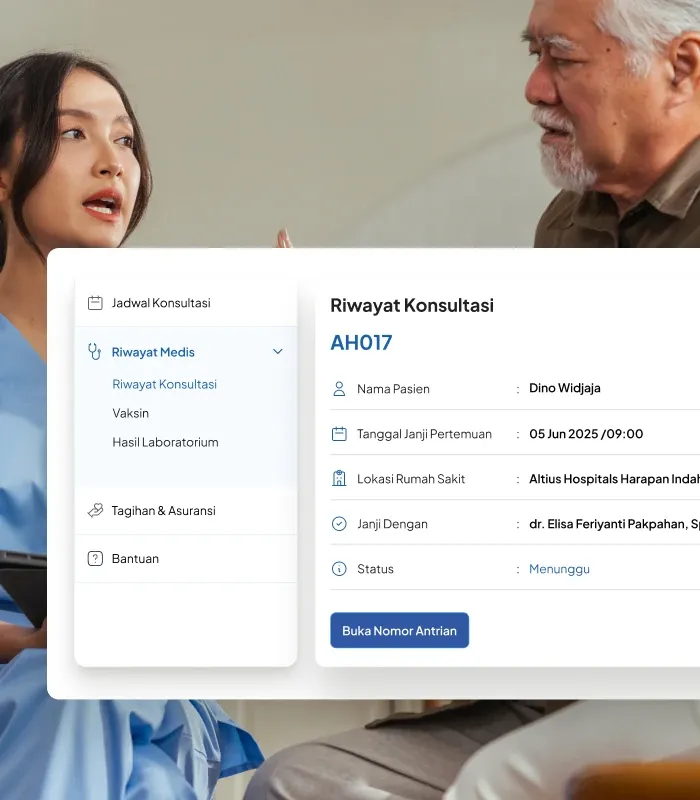
Designing the information structure and service flows around patient needs so the portal is easier to understand and use for accessing hospital services.
Learn MoreThe MVP is designed with user needs, business goals, ease of use, and technical readiness in mind, so it becomes a clear foundation before the platform is developed.
Understanding users' problems, needs, and context to make sure the platform solves the right problem and delivers real benefits.
Uncovering user and stakeholder needs through discussions, process observation, and a review of the systems currently in use.
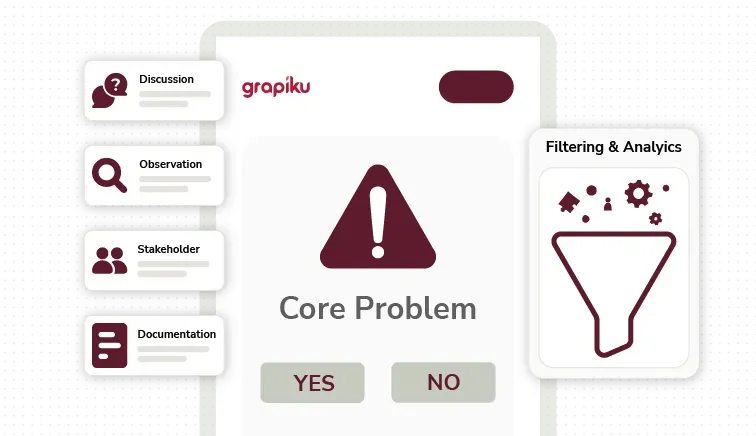
Defining the core problem to solve so product development doesn't start from assumptions alone.
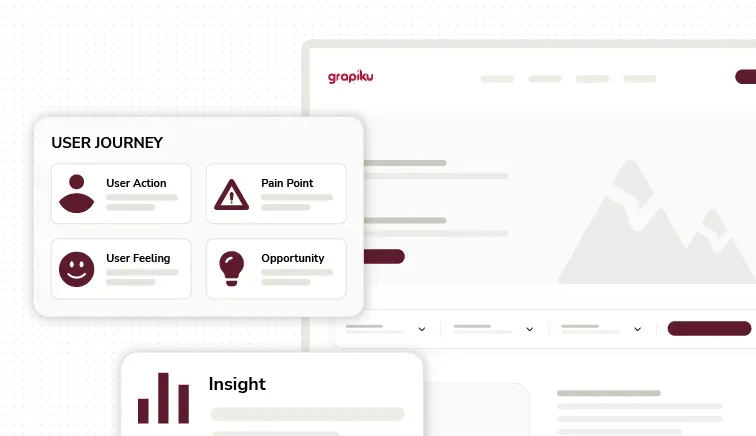
Mapping the user's path from start to final goal to uncover needs, obstacles, and opportunities to improve the experience.
Aligning the product design with the company's goals, processes, and priorities so the MVP delivers value from the very first version.
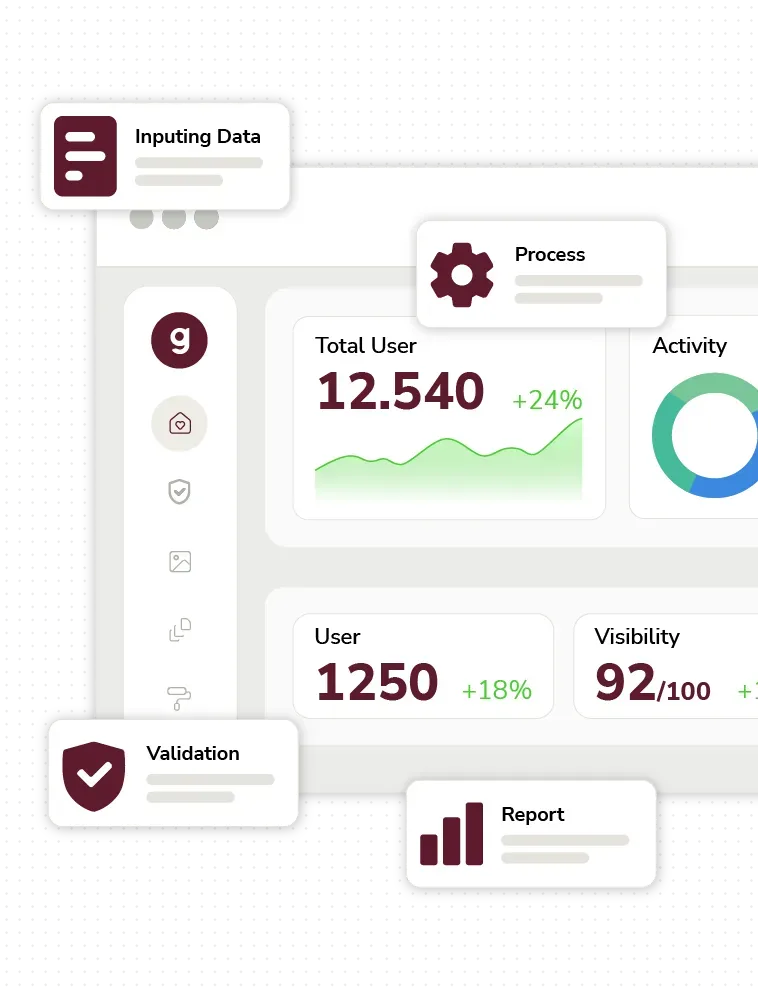
Defining the business goals the platform needs to support, whether improving efficiency, data visibility, service quality, or revenue opportunities.
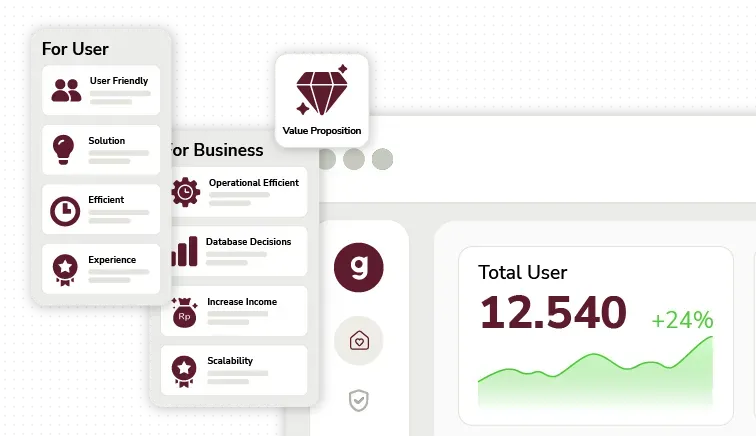
Defining the product's main benefits for the company and its users as the basis for deciding the direction of development.
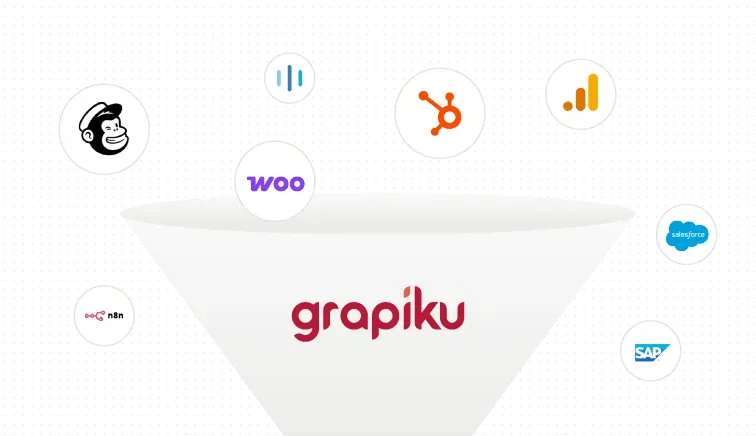
Grouping features by necessity and impact so the MVP focuses on the most important functions first.
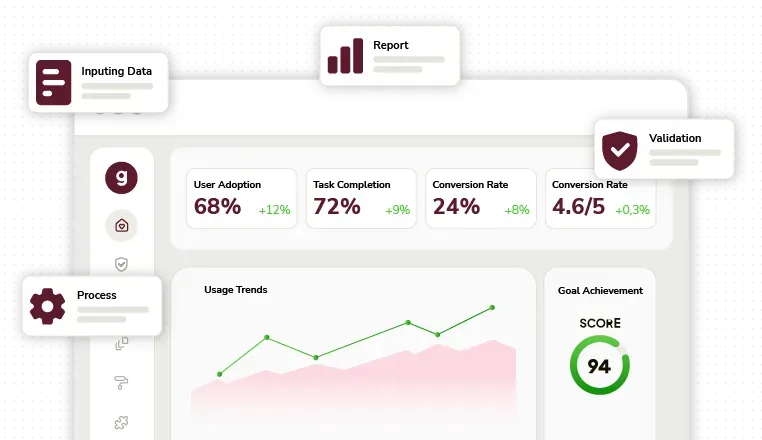
Setting initial indicators to evaluate whether the product solves the problem and achieves the goals set.
Designing the information structure and interactions around how users work so the platform can be used effectively in day-to-day activity.
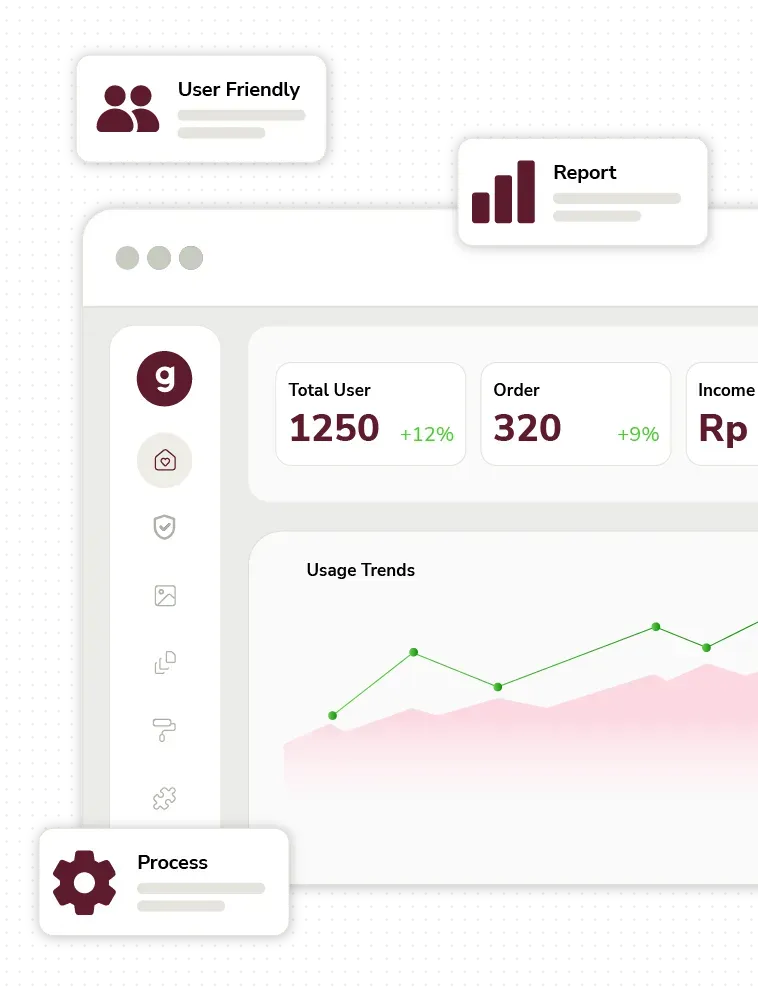
Organizing the information hierarchy, modules, navigation, and relationships between content so the platform is easy to understand.
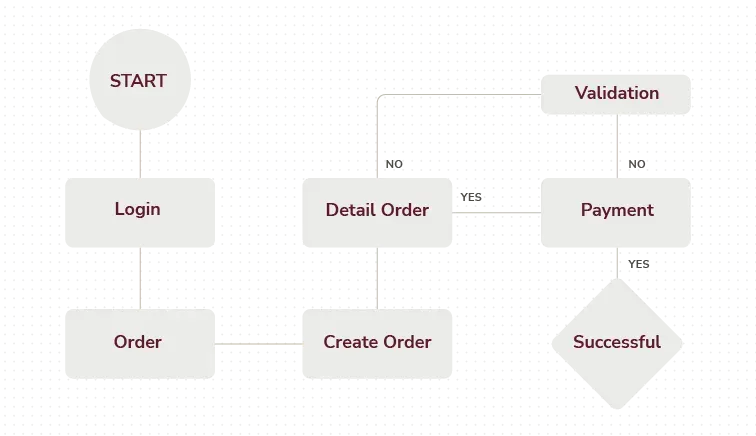
Designing the steps each user takes to complete a task clearly and efficiently.
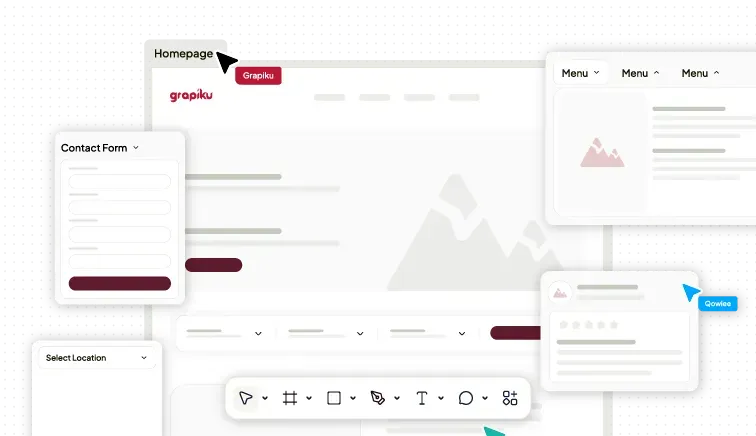
Shaping the structure of each page and the placement of key functions before moving on to the visual stage.
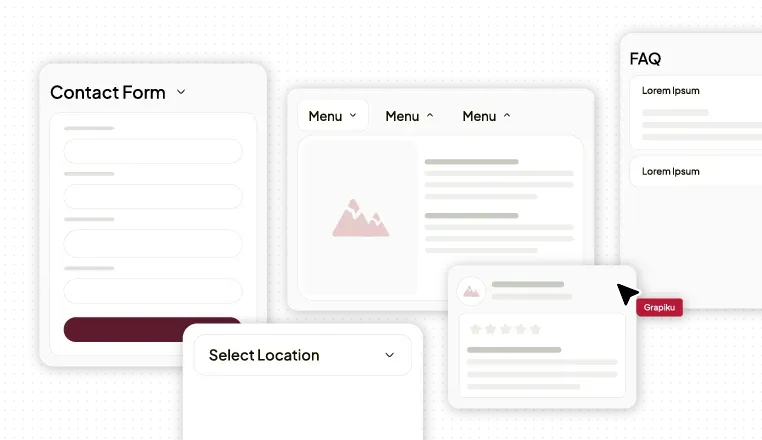
Linking every screen into an interactive prototype so flows, interactions, and the product experience can be evaluated before development.
Considering scope, design consistency, and technical requirements so the design can be translated into a platform efficiently.
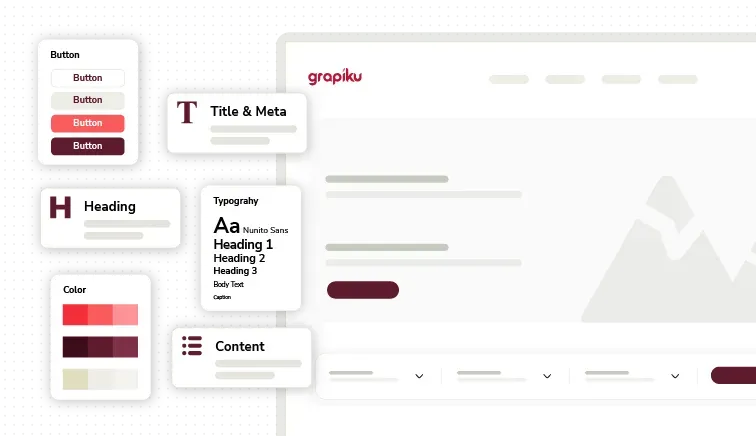
Building consistent components, interface patterns, and visual guidelines so the design is easier to develop and extend.
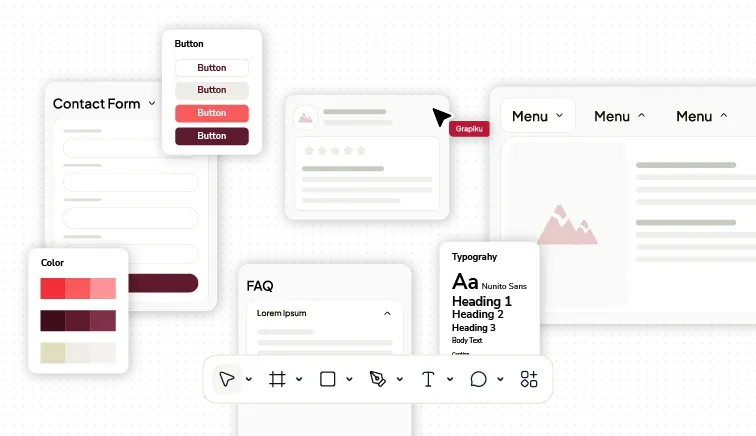
Preparing designs, components, states, interaction notes, and design specifications as a reference for the development team.
Not sure which features, UI, and UX to prioritize?
Talk through your user needs, business processes, and product goals with our team.
Exploring business goals, current processes, stakeholder needs, user characteristics, and technical constraints to understand the problem the product needs to solve.
Defining the product's core value, mapping user roles, determining modules, and prioritizing the features to design in the first version.
Structuring the information architecture, relationships between modules, user journeys, and user flows so every user can reach their goal through a clear path.
Shaping the structure of each screen in wireframes, then evaluating the flows, information completeness, and key functions with stakeholders before moving into visual design.
Setting the visual direction and designing consistent interfaces, components, states, and interaction patterns so the platform is easy to use and extend.
Linking every screen into an interactive prototype to test flows, interactions, and ease of use, then refining it based on the evaluation results.
Preparing design files, components, specifications, interaction notes, and technical requirements as a reference for the development team building the platform.
Four steps to turn your business needs into a structured, validated digital product design that's ready to build.
Discuss your business processes, user problems, product goals, and the platform you envision building together with our team.
We'll study your core needs and give you an early picture of the users, flows, priority features, and design scope.
Receive a proposal covering the approach, scope, deliverables, time estimate, and investment, all transparently.
Once the proposal is approved, the project kicks off with a kick-off session, a deeper dive into requirements, and priority alignment with stakeholders.
Years of Experience
Digital Projects Launched
Clients Across Industries
One session to understand your product idea, business processes, and user needs, and to define the right MVP scope before development begins.