

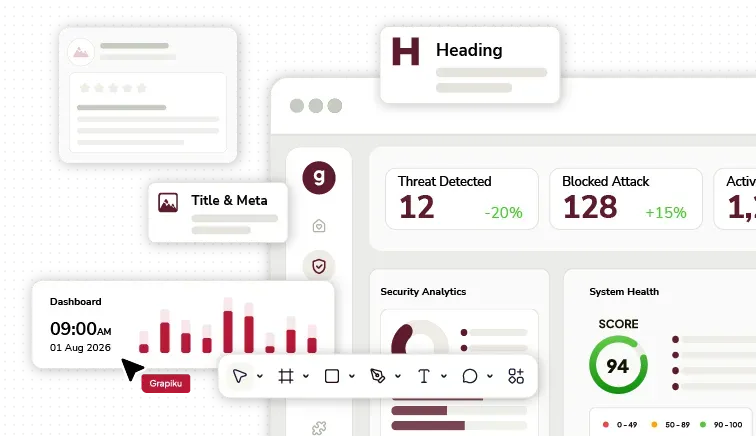
Role-Based UI/UX
UI/UX is designed around the needs, tasks, and role level of each user so relevant functions are easier to find and use.
We build web-based portals, dashboards, and systems that bring data, users, and business processes together into a platform that is more integrated and easier to manage.
210+ companies growing with Grapiku









Work that still depends on spreadsheets, documents, and repeated communication leaves teams spending a lot of time updating, checking, and reconciling information.
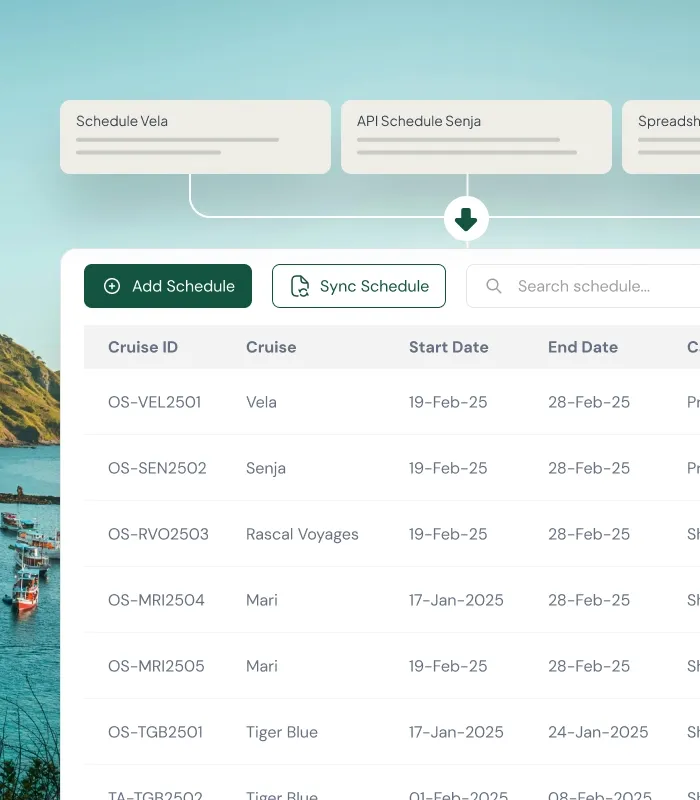
Bringing multiple vessel schedules into a single dashboard so information can be updated, searched, and used by the sales team more efficiently.
Learn MoreWhen activities, communication, and work status are scattered across different tools, every process becomes hard to track. Teams lose visibility into progress, follow-ups, and who is responsible.
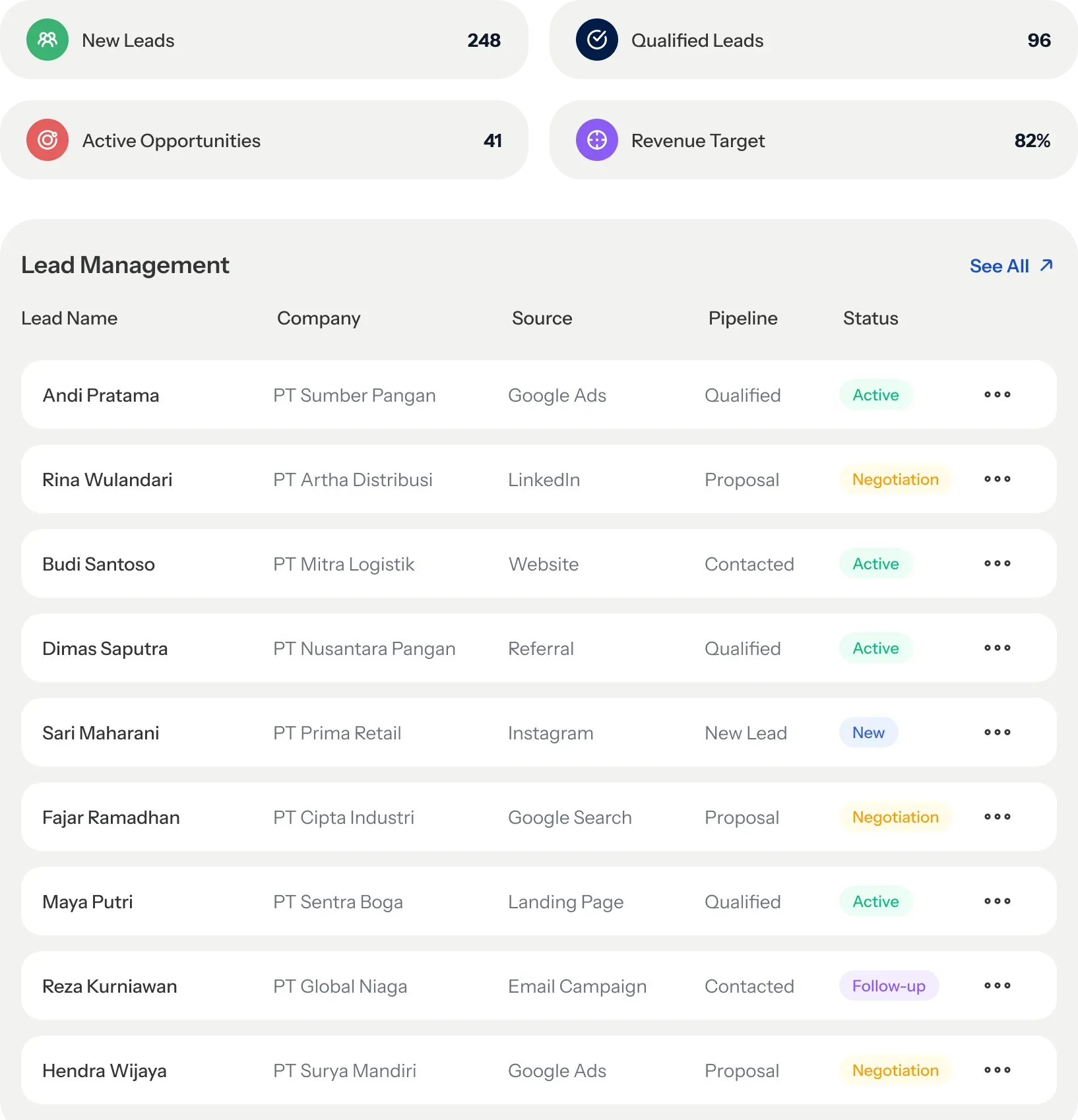
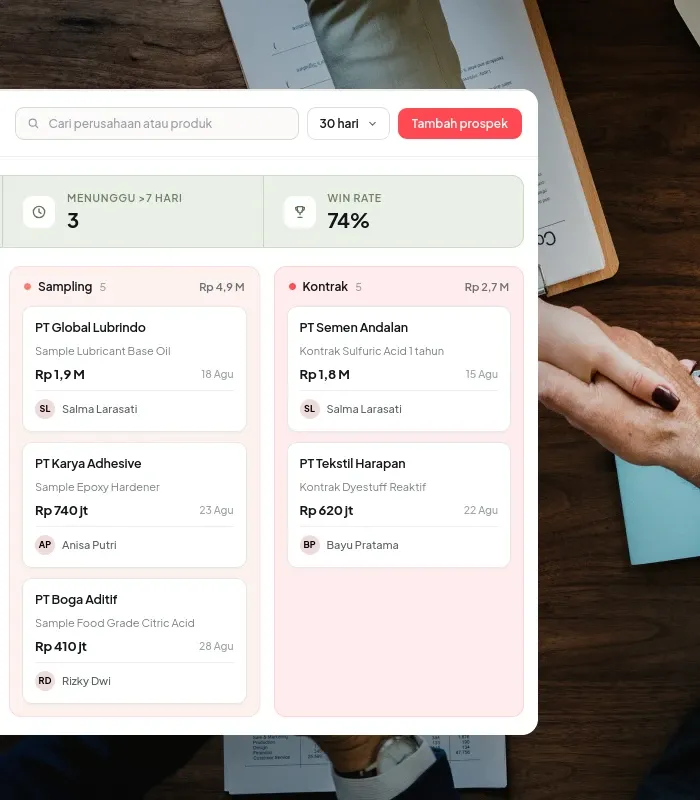
Bringing prospect data, follow-up activity, and sales stages into one pipeline so every opportunity can be monitored and followed up in a structured way.
Learn MoreMany platforms focus only on UI and features without considering data protection. With apps now easier than ever to build using AI, aspects like access rights, data flows, privacy, and security risk being neglected.
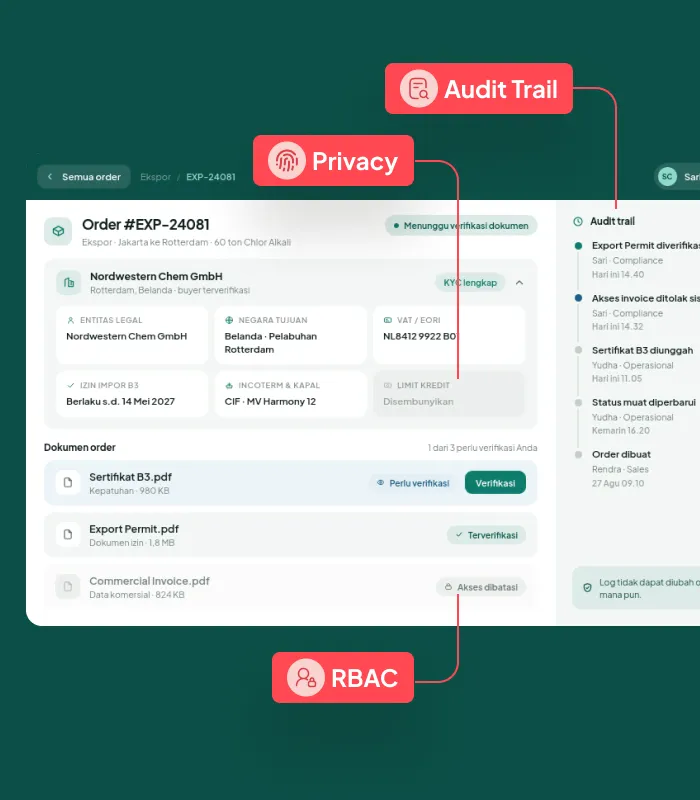
Designing order management, permit documents, and access rights by user role so sensitive information can only be accessed and managed by authorized people.
Learn MoreA platform that is complicated and out of step with how users work adds to the operational burden. As a result, teams fall back on spreadsheets or manual communication, and digitalization never reaches its full potential.
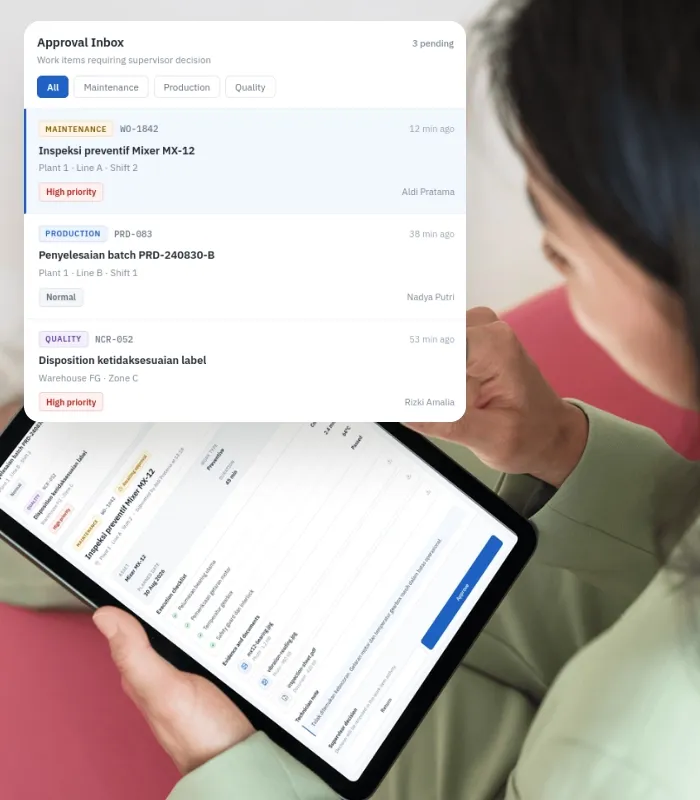
Designing task logging, progress updates, and approval flows around users' roles and routines so the platform is easier to adopt in day-to-day operations.
Learn MoreFrom the user experience and operational flows to the technical foundation behind the scenes, every element is built specifically so the platform is easy to use, integrated, and ready to keep up with business growth.
Making sure users can understand and use the platform more effectively.
UI/UX is designed around the needs, tasks, and role level of each user so relevant functions are easier to find and use.
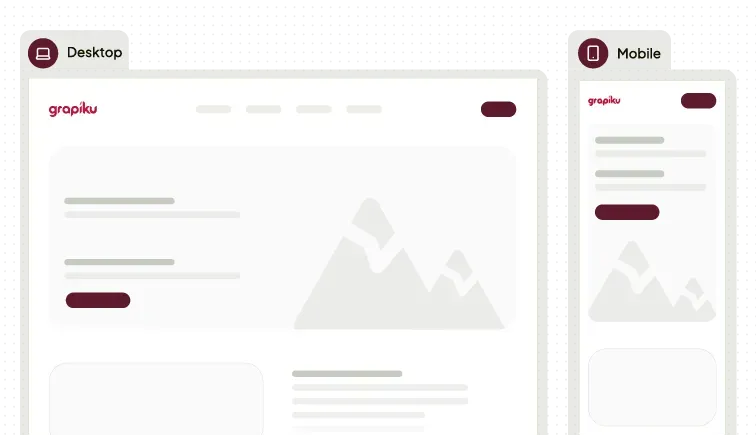
Every website design is built to stay optimal on desktop, tablet, and mobile devices.
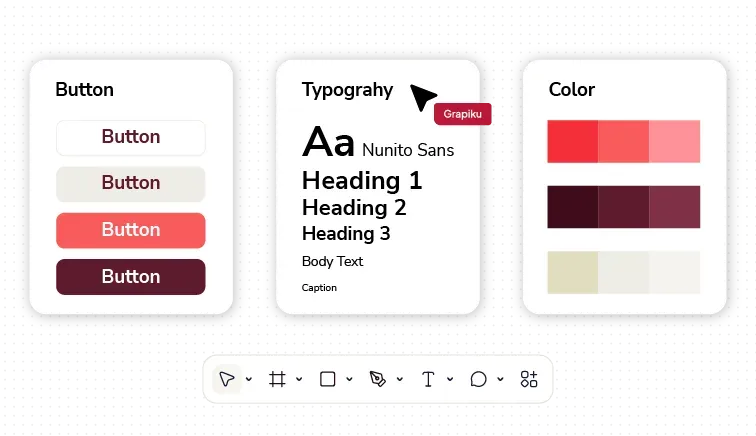
Components and UI patterns are built as a single system so the UX stays consistent and is easier to extend.
Translating business processes into digital workflows that are more structured and controlled.
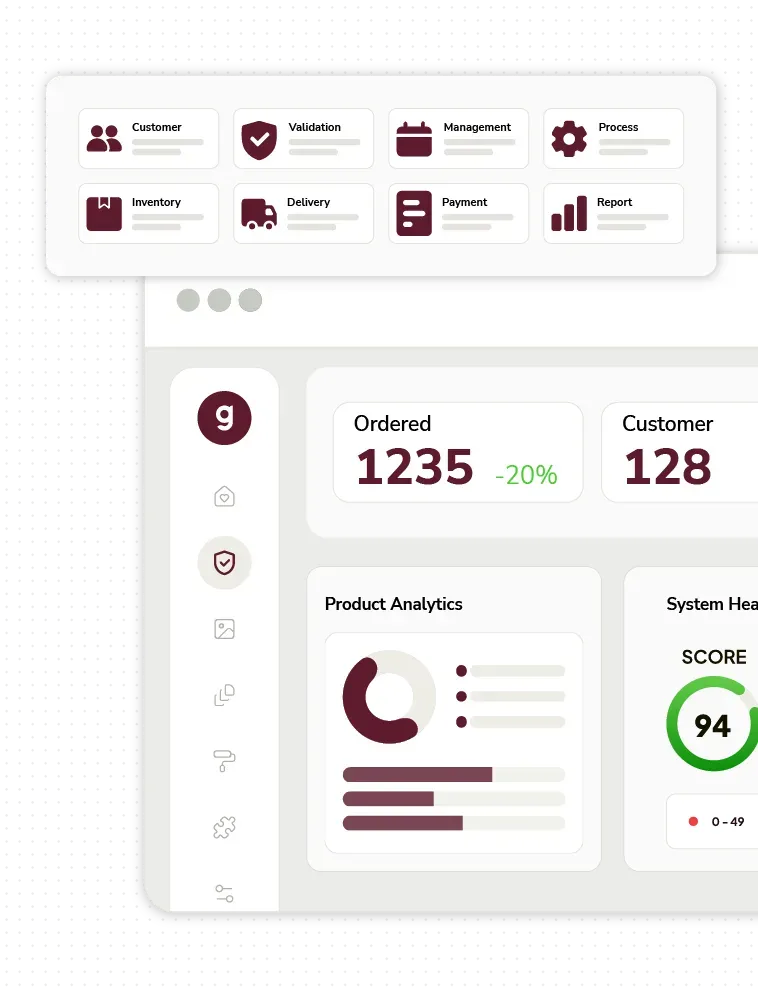
Every module and function is custom-built around user needs, business rules, and the company's operational processes.
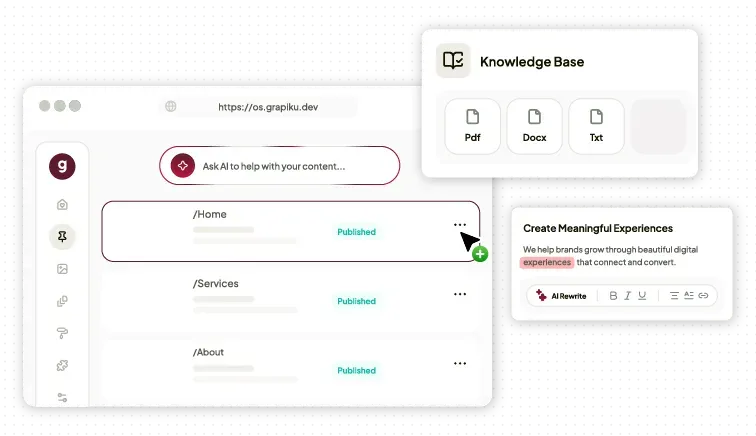
The platform can be integrated with AI through MCP & API to help with data search, summaries, recommendations, and workflow automation. Note:
Access rights, data sources, and the limits of AI actions are all controlled so sensitive information is only processed according to each user's authority.
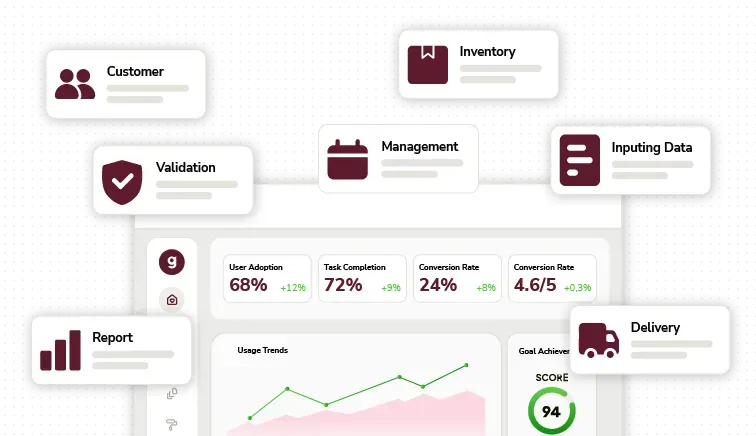
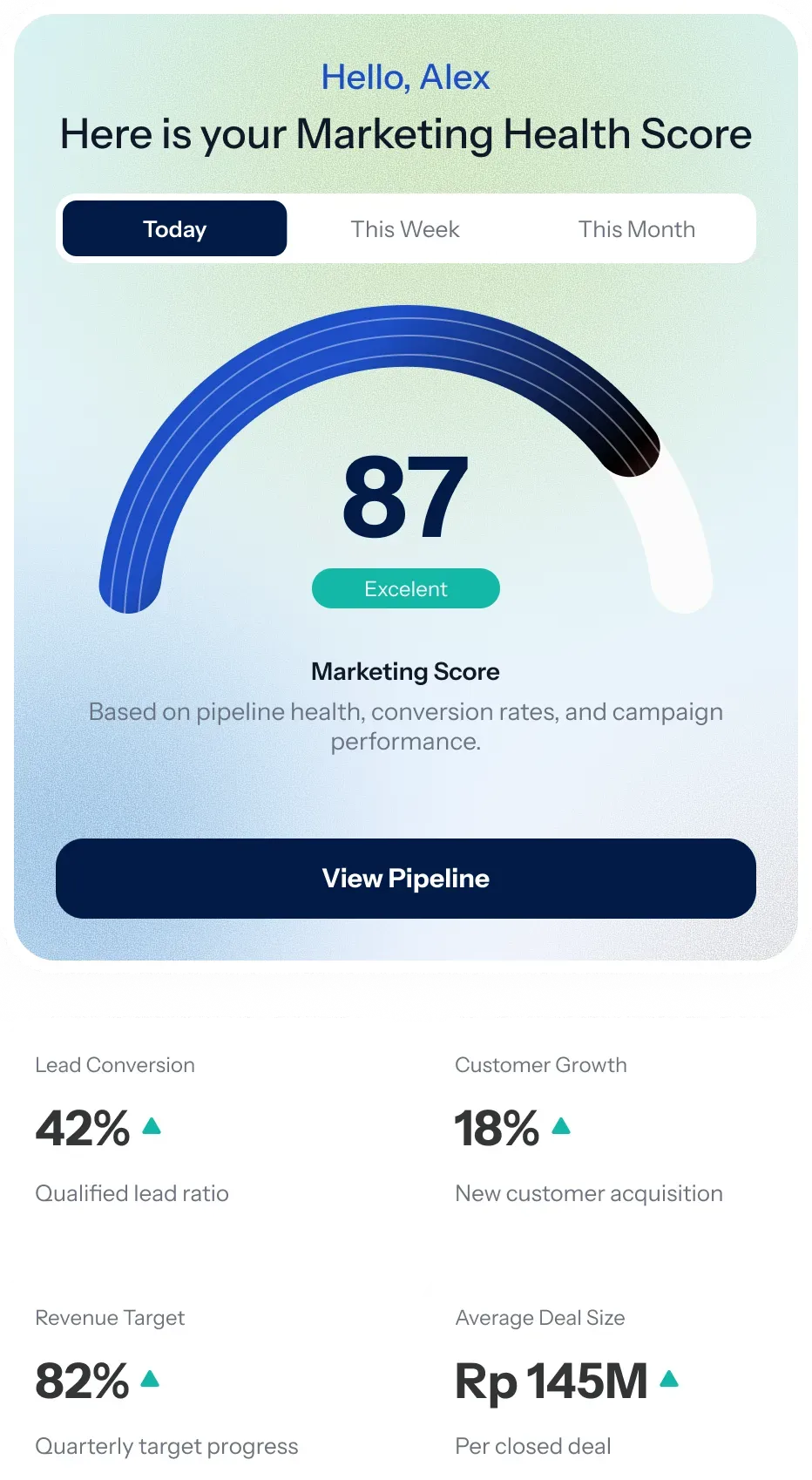
Operational data is centralized in the platform so it's easier to manage, trace, and present through dashboards and reports.
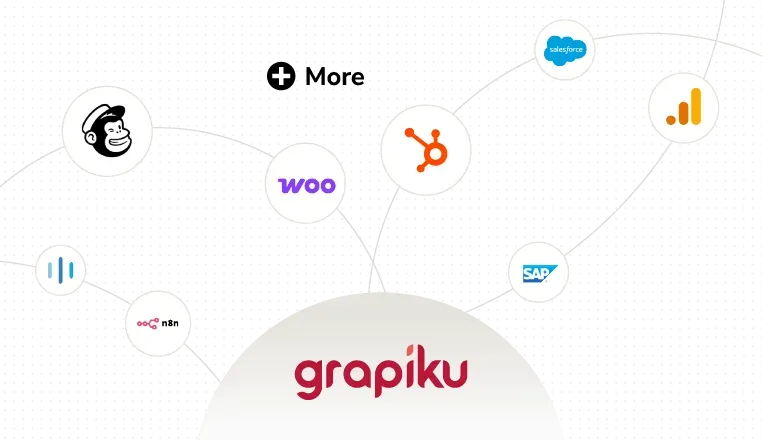
The platform can be connected with ERP, CRM, payment gateways, APIs, and other systems your company already uses.
Building a system architecture that is secure, fast, and ready for business scale-up.
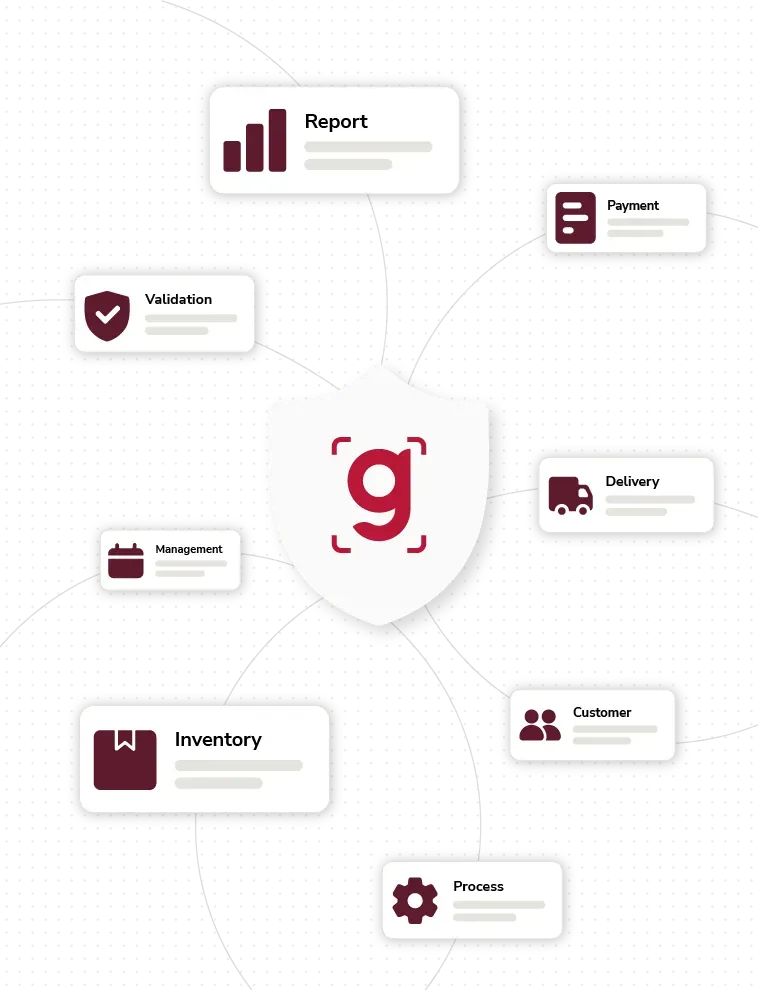
The platform is built modularly so it's ready to add features, integrations, and capacity without rebuilding the whole system.
Data protection is applied through authentication, user role restrictions, secured data flows, and security practices across the application and server.
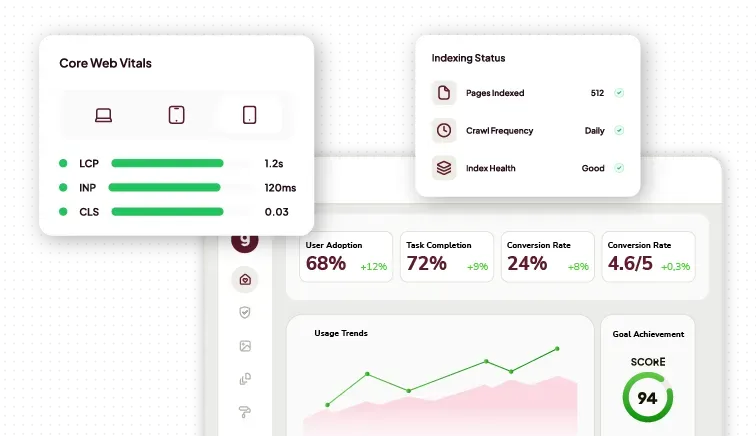
Code, database, and infrastructure are optimized so the platform stays responsive and stable in day-to-day operational use.
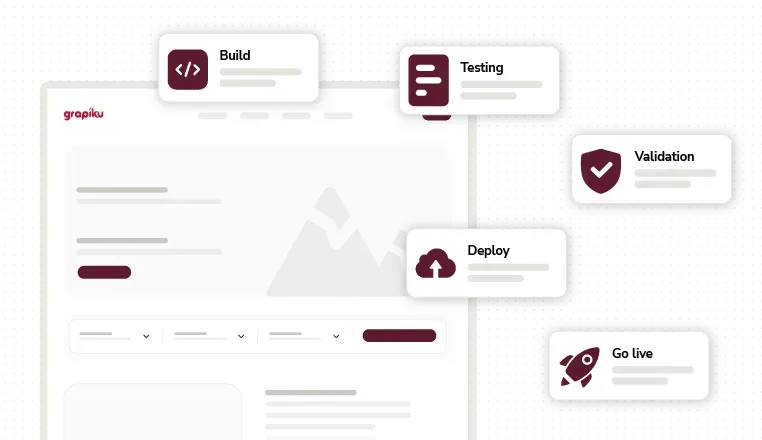
The platform can be hosted on Grapiku's infrastructure or your own, with configuration and deployment support.
Not sure which features, integrations, or architecture you need?
Talk through your operational processes and platform goals with our team.

Exploring challenges, goals, and business needs through a structured discovery brief, then setting out the goals, workflows, and project scope.
Translating business and user needs into structured wireframes, then testing them as a prototype that's easy to understand and comfortable to use.
Developing a visual look that represents the brand identity, built as a design system that stays consistent across every page and device.
Well-structured code from backend to frontend, implementing custom features, system integrations, and a UI tailored to the company's needs.
Loading initial data or migrating content from a previous platform or other sources, and mapping it into the new platform.
Thorough testing across devices and browsers, covering functionality, performance, and security before the platform is declared ready for release.
Support with setting up and optimizing the production server infrastructure, and deploying securely using CI/CD pipelines.
Supporting the early post-launch period for up to 3 months through monitoring, minor refinements, and training so the platform is ready to be managed independently. Extended support is available through a separate maintenance service.
Four steps to turn your operational challenges into a structured, scalable digital platform that's ready to implement.
Discuss your operational pain points, current business processes, digitalization goals, and the system you envision building together with our team.
We'll map your workflow and give you an early picture of the platform architecture, system integrations, and priority features.
Receive a proposal covering the technical approach, development scope, deliverables, time estimate, and investment, all transparently.
Once the proposal is approved, the project kicks off with a kick-off session, a deeper dive into requirements (PRD), and priority alignment with stakeholders.
Years of Experience
Digital Projects Launched
Clients Across Industries
One session to understand your operations, business processes, and user needs, and to define the right scope.